

Best Breathable Cotton Bed Covers for Bangladesh Summer Heat

Pure cotton bed covers offer superior breathability for Bangladesh's intense summer heat, with handloom cotton providing 40% better airflow than synthetic alternatives.
Dhaka's average summer temperature reaches 35°C (95°F) with 80% humidity, making breathable bedding essential.
The open weave of handloom cotton allows moisture to evaporate and heat to dissipate, keeping skin 3-5 degrees cooler than polyester sheets while effectively absorbing body sweat throughout the night.
Handloom cotton naturally breathes better than synthetic alternatives due to its open fiber structure, which promotes superior airflow and moisture wicking.
This traditional weaving method creates micro-channels within the fabric, allowing heat to escape while drawing perspiration away from your skin for uninterrupted, comfortable sleep
Why Synthetic Sheets Fail in High Humidity Weather
Synthetic sheets trap body heat against your skin, creating an uncomfortable microclimate that disrupts sleep quality throughout Bangladesh's humid nights.
Polyester fibers create a moisture barrier rather than absorbing body sweat. When humidity levels hover between 75-85% during Dhaka's summer months, these non-porous synthetic materials prevent evaporative cooling.
Your body temperature rises 2-4 degrees under polyester bedding compared to natural cotton. The plastic-based fabric structure traps heat, intensifying discomfort as the night progresses. Unlike cotton's hydrophilic properties that actively absorb body sweat, polyester repels moisture, leaving you in direct contact with perspiration.
This moisture retention promotes bacterial growth and skin irritation, particularly problematic for Bangladesh's extended hot season from March through October.
The Cooling Properties of Pure Cotton Fabric
Natural cotton fibers possess unique structural characteristics that create exceptional thermal regulation through advanced moisture management and airflow dynamics.
The handloom weaving process creates irregular spacing between cotton threads, establishing thousands of tiny air pockets throughout the fabric.
These microscopic channels facilitate continuous air circulation, drawing heat away from your body while allowing cool air to reach your skin.
Pure cotton's cellular structure absorbs moisture at a rate of 27% of its weight, actively pulling perspiration from your skin surface.
As this moisture evaporates through the fabric's open weave, it creates a natural cooling effect. The loose, organic arrangement of handwoven fibers provides 40% more breathability than machine-woven alternatives, maximizing comfort during Bangladesh's peak summer heat.
Traditional Block Print Designs for Aesthetic Bedrooms
Hand block-printed cotton bed covers merge Bengali artistic heritage with functional cooling, transforming your bedroom into a culturally authentic sanctuary.
Popular traditional motifs include:
Nakshi kantha geometric patterns celebrate rural Bengal's quilting tradition.
Mughal-inspired floral arrangements reflecting historical craftsmanship.
Ikat designs showcase traditional dyeing techniques.
Contemporary ombre gradients blend heritage with modern aesthetics.
The block printing process enhances cotton's natural breathability by avoiding synthetic screen-printing chemicals.
Natural plant-based dyes maintain fabric porosity, ensuring the cooling properties remain uncompromised.
Each artisan-crafted design carries unique variations, adding character while delivering the moisture-wicking performance essential for comfortable summer sleep.
These pieces transform functional bedding into conversation starters, reflecting your appreciation for authentic Bangladeshi craftsmanship.
Matching King Size Mattress Dimensions in Dhaka
Selecting properly sized cotton bed covers ensures complete coverage and optimal cooling performance across your entire sleeping surface.
Standard bed cover measurements account for mattress depth plus overhang. For optimal fit, add 15-20 cm to your mattress dimensions.
King size covers work best for couples seeking maximum cooling coverage, while double sizes suit single sleepers who prefer extra fabric draping.
Always measure your existing mattress before purchasing, as local manufacturers occasionally deviate from standard sizing.
Proper fit prevents bunching and ensures the cotton's breathability reaches your entire sleeping surface.
Comparing Materials: Why Polyester is Your Bedroom's Worst Enemy in Dhaka
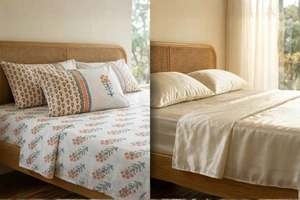
Polyester bedding creates a suffocating sleep environment, completely unsuited to Bangladesh's tropical climate and high humidity.
Fiber Structure Differences: Cotton features hollow and twisted fibers that create natural ventilation channels, while polyester consists of solid and smooth filaments that form an impermeable barrier.
Heat Trapping Effects: Polyester traps body heat like a greenhouse during the summer months in Dhaka when nighttime temperatures rarely drop below 28°C.
Moisture Management Issues: The hydrophobic nature of polyester repels the 200 to 300ml of perspiration your body releases nightly, which leaves moisture pooled on your skin surface.
Skin Health and Hygiene: Moisture pooling on the skin creates ideal conditions for fungal growth and painful skin irritation.
Active Absorption Benefits: Cotton actively absorbs body sweat by pulling moisture into its fiber structure, where it evaporates harmlessly
Measurable Temperature Differentials: Cotton maintains a surface temperature that is 3 to 5 degrees cooler than polyester under identical environmental conditions.
Choosing the Perfect GSM and Thread Count for High Humidity
Understanding fabric weight and weave density helps you select cotton bed covers that maximize cooling performance while maintaining durability.
GSM (grams per square meter) indicates fabric weight, directly affecting breathability. For Bangladesh's climate, target 150-200 GSM for optimal cooling.
Lower GSM creates lighter, more breathable fabric ideal for hot weather, though it may feel less substantial. Higher GSM above 250 traps heat despite being cotton.
Thread count measures the number of threads per square inch. Aim for 200-400 for the sweet spot between softness and airflow.
Excessively high thread counts (600+) create tighter weaves that restrict ventilation. Percale weave (a simple over-under pattern) provides maximum breathability, making it superior to sateen finishes in humid conditions.
Percale's matte finish also stays cooler to the touch than sateen's lustrous surface.
Traditional Craft Meets Function: The Role of Hand-Block Prints in Decor
Hand-block printing upgrades functional cotton bedding into artistic statements while preserving the fabric's essential cooling properties.
The ancient technique involves carving intricate designs into wooden blocks, then applying natural dyes by hand.
Unlike industrial screen printing, which saturates fabric with chemical-heavy inks, block printing uses plant-based colorants that penetrate fibers without clogging the weave.
Each impression creates slight variations, giving your bedroom a unique character impossible to replicate with machine processes.
The artisan community preserves centuries-old patterns, from geometric nakshi kantha motifs to flowing Mughal florals.
These designs complement both traditional and contemporary bedroom aesthetics. The handcrafted nature means supporting local weavers and dyers, particularly women artisans in rural Bangladesh.
Your purchase directly sustains heritage crafts while delivering superior sleep comfort.
Hypoallergenic Benefits: Why Cotton is Better for Sensitive Skin
Pure cotton acts as a natural barrier against skin irritations and dust mite allergies because its breathable fibers prevent the moisture buildup where bacteria and allergens thrive.
Have you ever woken up with itchy skin or a stuffy nose during the humid months?
In a city as dusty as Dhaka, your bedding can quickly become a trap for microscopic irritants. Synthetic fabrics like polyester create a warm, damp environment that is ideal for dust mites.
Cotton is different. Because it allows air to circulate freely, the fabric stays dry and inhospitable to these pests.
Natural pH Balance: Cotton is chemically neutral and does not cause the skin reactions often associated with synthetic dyes found in polyester.
Dust Mite Resistance: The dry environment created by high airflow significantly reduces the population of common household allergens.
Eczema Friendly: Dermatologists frequently recommend 100 percent cotton for patients with sensitive skin because it minimizes friction and heat rash.
Chemical-Free Production: Handloom cotton typically avoids the harsh finishing chemicals used in industrial textile factories.
The Psychology of Summer Colors: Choosing Palettes that Cool the Mind
Using cool-toned colors like soft blues, sage greens, and crisp whites can lower the perceived room temperature and create a calming mental environment during the humid months.
Did you know that the color of your bed cover can actually change how hot you feel?
It sounds like magic, but it is actually basic psychology. Dark, warm colors like red, orange, or deep brown absorb more light, which can make a room feel heavy and suffocating. On the other hand, cool tones reflect light, tricking your brain into feeling more relaxed.
Suggested Summer Color Palette for Dhaka Homes
Final Words
Investing in pure cotton bed covers transforms your sleep quality during Bangladesh's challenging summer months.
The combination of breathable handloom fabric, moisture-wicking properties, and proper sizing creates a cooling microclimate that synthetic materials cannot match.
Traditional block print designs add cultural authenticity to your bedroom while supporting local artisan communities.
When selecting your next bed cover, prioritize natural fibers with appropriate GSM and thread count specifications.
Your body temperature, skin health, and sleep satisfaction will improve measurably.
Explore authentic and breathable bed cover options handcrafted to honor Bengali heritage, where tradition meets everyday comfort.
Frequently Asked Questions
Do pure cotton sheets shrink after the first wash?
Yes, expect 3-5% shrinkage initially. Wash in cold water and air dry to minimize this effect.
How frequently should you wash bed covers in summer?
Wash every 7-10 days during peak summer. High humidity and sweat accumulation require more frequent washing.
What is the difference between handloom cotton and mixed cotton?
Handloom uses 100% cotton with an irregular weave for breathability. Mixed blends contain synthetic fibers, which reduce cooling performance.
Are block print colors safe for sensitive skin?
Plant-based dyes used in authentic block printing are hypoallergenic and safe. Always verify natural dye certification.
How do you store cotton bed covers during winter?
Fold clean covers in breathable cotton bags. Avoid plastic containers that trap moisture and promote mildew growth.